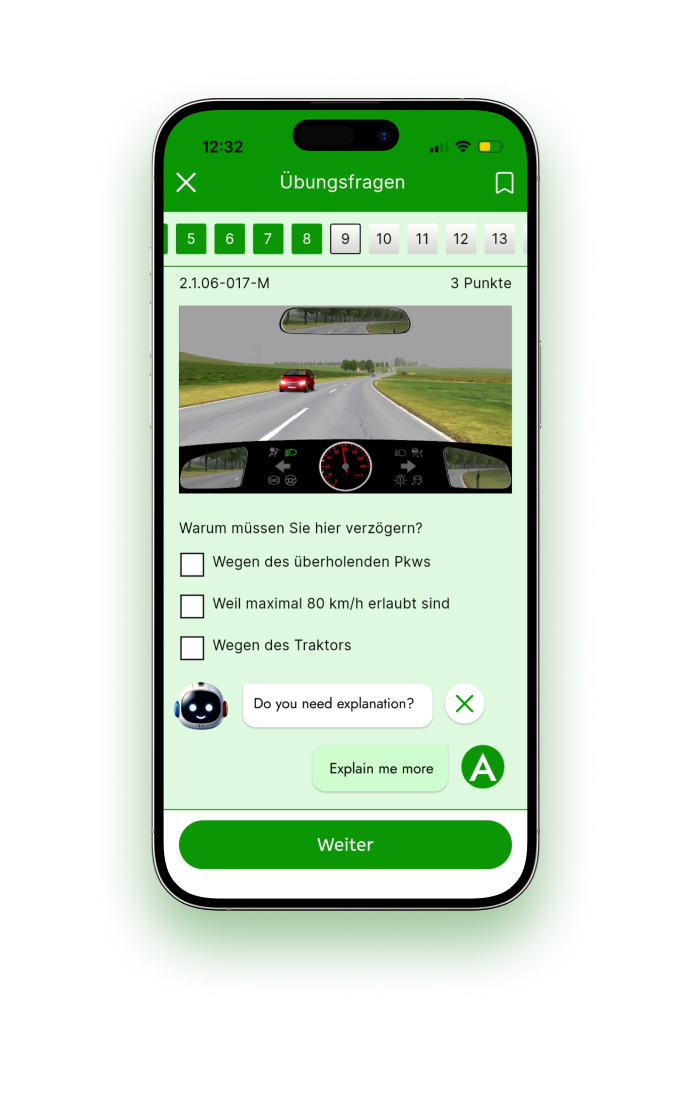
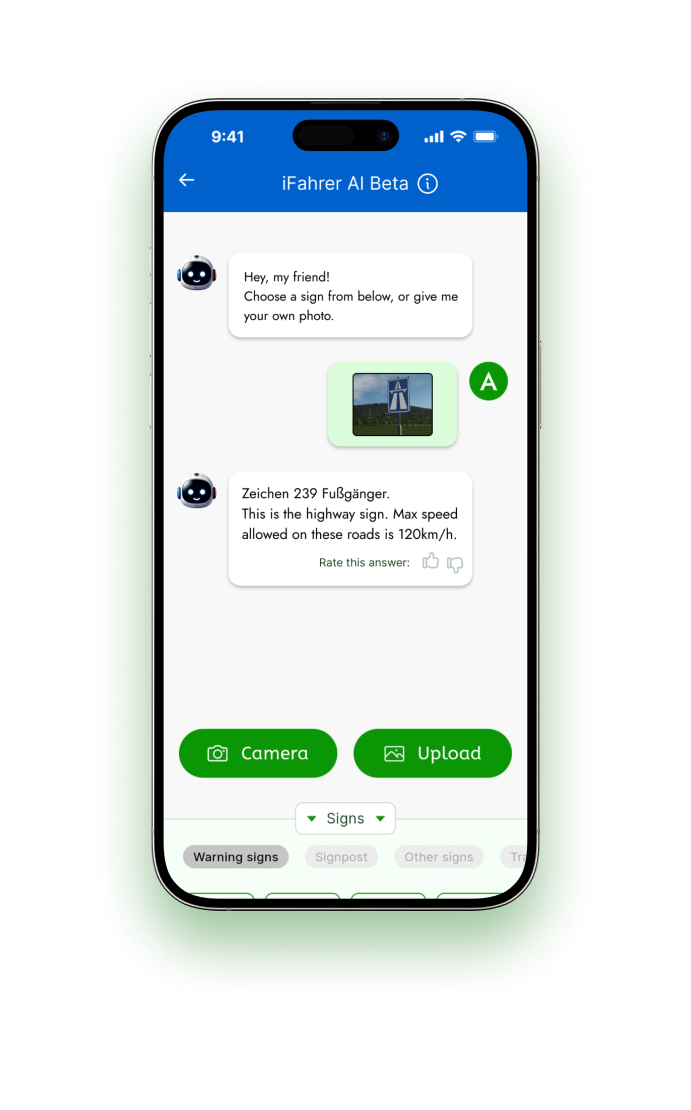
Get ready for your license test with AI assistance!
What must you consider when coupling a trailer with ball coupling?
The claw of the coupling must close securely
Any support wheel must be lifted and secured before you drive off
The support wheel must not touch the ground during coupling
Here is Our AI Assistant's Explanation
When coupling a trailer with a ball coupling, it is essential to ensure that the claw of the coupling locks securely around the ball. This guarantees a safe connection between the trailer and the towing vehicle, preventing accidental detachment during driving. Additionally, if the trailer has a support wheel (often used to stabilize the trailer when parked), this wheel must be lifted and securely fixed before driving off. Leaving the support wheel down can cause it to touch the road while driving, leading to damage or loss of control. The support wheel's purpose is only for parking or maneuvering the trailer when detached, so it must be properly stowed for safe travel. The third option is incorrect because, during coupling, the support wheel can touch the ground to facilitate positioning; it is only before driving that it must be lifted. Understanding these points ensures safe and correct trailer coupling according to German traffic regulations.